
 By
By 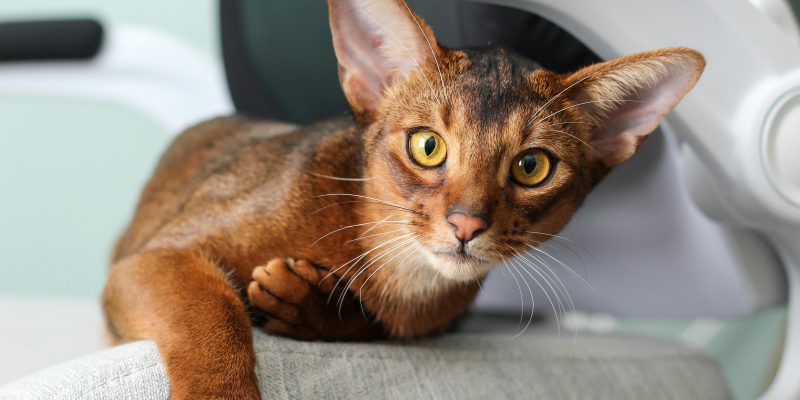
Abyssinian cats are beloved companions known for their elegant appearance and playful personalities, both of which can often captivate animal lovers with their charm. Recognizable by their sleek build and short ticked coat, Abyssinians often amaze people with their curiosity and energy, qualities that appeal to animal lovers everywhere, understanding their needs for healthy growth, proper behavior management, and long life. This guide offers practical advice regarding diet, care, and behavioral management to Abyssinian cat owners as well as enthusiasts alike.
Physical Traits and Personality of Abyssinian Cats
Abyssinian cats are medium-sized cats with lean bodies. Their short fur features an intricate ticked pattern, creating an illuminated effect when lit by sunlight. Abyssinians are highly active and intelligent pets who love exploring every corner of their home – climbing, leaping, and interactive play are among their many activities!
Abyssinian cats tend to be affectionate yet independent companions. They form strong bonds with family members and respond well to attention. Mental stimulation is especially essential as boredom or mischievous behavior could arise without appropriate activities occupying their minds; toys, puzzle feeders, and safe climbing structures are ideal ways to keep these cats active and engaged.
Considerations for Abyssinian Cats
Abyssinian cats generally enjoy good health; however, some conditions require monitoring, and regular veterinary checkups are recommended to detect potential issues early. Common health concerns for Abyssinians include:
- Periodontal Disease: Good oral hygiene is key, with regular brushing and dental check-ups helping reduce risks.
- Renal issues: To monitor kidney health in an older cat is vital, as chronic issues may develop over time.
- Genetic disorders: Some Abyssinians carry hereditary conditions such as Amyloidosis that impair organ functions.
Preventive care, such as vaccinations, flea control, and parasite prevention, is vital in creating an ideal environment. Vaccinations and flea control remain integral parts of overall wellness maintenance.
Diet and Nutrition Tips
Abyssinian cats require a diet rich in essential nutrients in order to support their active lifestyles, with protein being particularly essential in supporting muscle growth, while essential fatty acids help support coat health. A combination of high-quality wet and dry food products may meet these nutritional needs effectively.
Owners should focus on following dietary principles:
- High-protein meals: Lean meats like chicken, turkey, and fish contain essential amino acids for health and well-being.
- Balanced Fats: Omega-3 and omega-6 fatty acids play an essential role in supporting skin and coat health.
- Be wary of carbs: To manage weight effectively, avoid eating too many fillers such as corn or wheat that could contribute to weight gain.
- Hydration: Drinking enough fresh water should always be available, and eating wet food can prevent urinary tract issues.
Regular portion control can help people to maintain an ideal body weight and reduce the risk of obesity and its complications. Treats should only ever replace full meals.
Grooming Requirements
Abyssinian cats benefit greatly from regular grooming sessions. Brushing once or twice each week removes loose hairs while stimulating skin circulation and providing an opportunity to identify any skin issues, flea infestations, or unusual lumps that might develop over time.
Trimming nails on a regular basis and checking ears and eyes for signs of infection is highly recommended to maintain hygiene and keep minor issues from becoming larger problems. Regular care also prevents these minor issues from worsening over time.
Understanding Abyssinian Cat Behavior
These cats are inquisitive and intelligent, often seeking interaction and mental challenges in playtime activities that encourage climbing, stalking, and problem-solving. Avoid leaving them bored for extended periods, as this could lead to destructive behavior.
Social interaction is another feature of Abyssinians’ personalities. Most Abyssinians enjoy company if introduced gradually; treats or praise can help shape desired behaviors more effectively.
Training sessions should be short and engaging. Teaching basic commands or tricks is possible due to their high intelligence; however, patience must be shown as consistency is the cornerstone of long-term behavioral development.
Create a Safe Environment
Abyssinian cats thrive in environments that stimulate both body and mind. Indoor play areas with climbing structures, scratching posts, and interactive toys keep their attention engaged while windows with safe perches allow them to observe outdoor activity safely.
Safety measures are vital to prevent accidents. Plants containing toxic elements, exposed cords, or small items that could be swallowed should be removed from accessible areas to create an uplifting space for both physical and mental well-being.
Regular Veterinary Care
For early diagnosis and monitoring age-related conditions, routine checkups are an integral component. Exams, vaccinations, and dental cleanings should all be scheduled at least annually; senior cats may require more frequent checkups.
Preventive care includes parasite control, vaccination updates, and spaying or neutering. Working closely with a veterinarian ensures an Abyssinian cat has the best quality of life during its lifespan.
Explore Abyssinian Cat Care Guide: Health, Diet, and Behavior Tips
Conclusion
Caring for an Abyssinian cat requires attention to their health, nutrition, behavior, and environment. Their active and intelligent nature requires engagement and mental stimulation; maintaining a balanced diet through regular grooming sessions, as well as preventive medical attention, are key ingredients to living long and healthy lives.
With patience and commitment, owners can fully appreciate the playful, affectionate, and curious personality that defines an Abyssinian cat. By providing structured care and enrichment experiences that facilitate growth in these cats, lasting bonds between pets and families are formed that enrich both parties involved.


















Comments