
 By
By 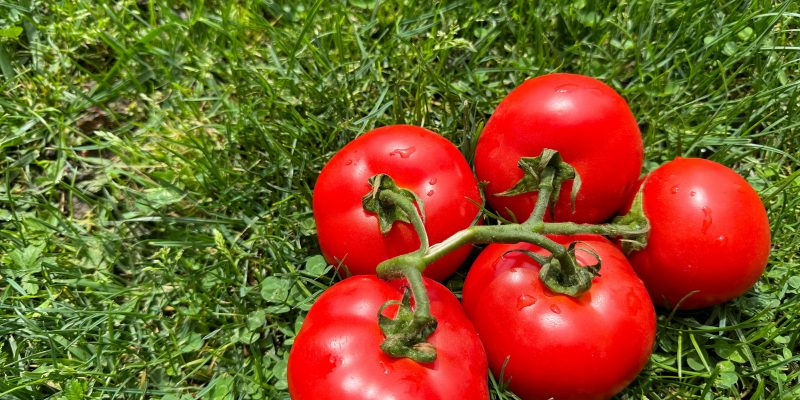
Pet owners of dogs often express concern over whether human food can be safely fed to their canines. While fruits and vegetables can provide many nutritional benefits to humans, some varieties, such as tomatoes, may pose potential hazards when consumed by canines. Understanding whether it is safe for canine consumption requires knowing potential risks, benefits, and suitable alternatives.
Are Tomatoes Safe for Dogs?
Dogs may consume tomatoes under certain circumstances. Ripe red tomatoes typically provide essential vitamins such as vitamin C and A, as well as antioxidants, which may support immunity and overall health benefits. On the other hand, green tomatoes, unripe fruits, and tomato plants contain substances that could be dangerous; solanine (a naturally occurring chemical found in green tomatoes and leaves) could potentially cause digestive upset, lethargy, or more serious health concerns when eaten in large amounts.
Tomatoes Are Good for Dogs
Ripe tomatoes offer numerous health advantages when consumed responsibly:
- Nutritional Support: Tomatoes contain essential vitamins and minerals for maintaining a healthy skin, coat, and vision.
- Antioxidant Properties: Lycopene, an antioxidant found in tomatoes, has anti-inflammatory and cell health-promoting benefits.
- Hydration Aid: Tomatoes’ high water content can help dogs stay hydrated in hotter environments, especially during warmer seasons.
Though tomatoes provide many health benefits for dogs, they should never replace their regular diet; rather, they serve as an occasional treat rather than being the mainstay food source.
Risks Associated with Feeding Tomatoes to Dogs
Tomatoes may provide numerous health benefits to dogs, yet feeding them to them carries certain risks:
- Toxicity from Green Parts: Solanine found in stems, leaves, and unripe fruits can be highly toxic, and even small amounts can lead to vomiting, diarrhea, or lethargy in humans.
- Allergic Reactions: Some dogs may develop mild allergies that manifest with symptoms like itching, swelling, or digestive distress.
- Digestive Issues: Too much tomato consumption may result in stomach upset due to their acidic and fiber contents.
- Interactions With Health Conditions: Dogs suffering from kidney or heart issues should avoid eating tomatoes, as their high potassium levels could exacerbate certain conditions.
Monitoring portion sizes and making sure tomatoes are fully ripened can reduce these risks. Dogs should avoid eating canned or processed tomato products that contain salt or spices harmful to pets.
How to Introduce Tomatoes Safely
Introduction of tomatoes should be done gradually. Start slowly, with small pieces of fresh, ripe tomato to observe any reactions; remove stems and leaves to minimize exposure to solanine; slice into bite-sized pieces for easier digestion and reduced risk of choking; if your dog displays signs of digestive discomfort or allergic reactions, discontinue feeding immediately and consult your veterinarian.
Serving Tips and Portion Guidelines
Modesty is key when feeding tomatoes to dogs. Most medium-sized breeds should receive at most one or two cherry tomatoes per week as a treat; larger breeds can consume slightly more, but tomatoes shouldn’t account for more than five percent of a dog’s daily caloric intake. Be wary of sauces, ketchup, or cooked tomato dishes that contain added ingredients that could potentially harm them.
Alternatives to Tomatoes for Dogs
If there are concerns over tomato safety, there are safe alternatives that provide similar nutrition:
- Carrots: Packed with vitamins A and fiber, carrots make an easy snack that provides ample nutrition without excess calories.
- Red Bell Peppers: These nutritious veggies provide vitamin C and antioxidants without the solanine risks associated with some other vegetables.
- Cucumbers: Packed with essential hydration and low in calories, cucumbers provide a safe, crunchy snack for dogs.
- Pumpkin: Packed with fiber and vitamins, pumpkin can help with digestion when eaten cooked or canned (without added sugar or spices).
These options offer variety while decreasing the risks associated with tomatoes.
When Should a Pet Need Vet Advice?
Pet owners should seek the advice of a veterinarian immediately if their dog consumes green tomatoes, stems, or leaves, or exhibits any symptoms such as vomiting, diarrhea, lethargy, or unusual behavior. Professional advice ensures the diet stays balanced and safe for their pup.
Explore: Can Dogs Eat Celery? Health Benefits and Risks
Conclusion
Understanding the risks and benefits of tomatoes for dogs allows pet owners to make more informed choices when selecting treats for their canines. Ripe tomatoes provide essential vitamins and antioxidants when given in moderation; green tomatoes contain potentially toxic compounds; alternative options like carrots, red bell peppers, or pumpkin offer similar nutrition without as many risks – providing pet parents with plenty of opportunity for enriching their dog’s diet while simultaneously maintaining safety and nutrition.
Feeding dogs human food requires careful thought. By offering safe options, observing portion sizes, and closely watching reactions, tomatoes can be enjoyed safely. With knowledge about canine nutrition at their disposal, owners can enjoy treats without jeopardizing long-term well-being or happiness.


















Comments