
 By
By 
What is roof edge protection?
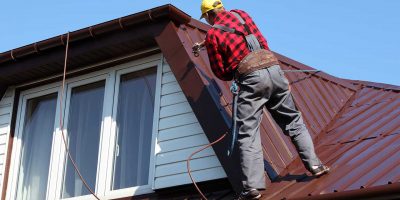
It is a structure or enclosure that is mostly made up of metals that is installed on the roof to prevent accidents and injuries. Some forms of roof edge protection are installed around the roof’s perimeter to prevent people from falling while some act like roof guardrail systems that provide a kind of barrier limiting people and materials coming near the edge of the roof.
There are different types of roof edge protection that are available in the market. Though some of them have certain advantages over others, everything comes down to if your roof type is going to support it. Listed below are some of the common choices:
-
Scaffolding
If there are workers who are working on the roof or accessing the roof, then this is the most common form of roof edge protection. But, one should not use this mode of roof edge protection as a permanent roof edge protection in NZ. That is because all the people who are accessing the roof are not always going to be workers; some are going to be staff members and public. This type of protection system is generally used by construction companies to provide access to the roof. The only problem with scaffolding is that it takes a very long time to set up.
-
Fixed roof handrail
A fixed roof handrail is a lot sturdier than scaffolding but it has its kind of disadvantages as well. One such disadvantage is that to install a fixed handrail, one has to pierce through the roof membrane or parapet. There are different types of fixed roof edge protection systems. Each type is made of different materials and requires various installation methods.
-
Welded handrail
A welded handrail will need dedicated professionals to install them on your rooftop. The time taken to install will depend on the roof type and they need to be present on-site during the whole installation time. The only problem with the welded system is that the welded points can become weak in due time due to rust if not welded properly.
-
Non-welded handrail
If your roof type supports non-welded protection systems, you should go for it. Choosing systems that do not need any kind of fabrication while installing will not only take less time to install but also less time to get it repaired in case of any damage. Materials like galvanized steel or aluminum are very suitable for outdoor roof handrail systems as they are very resistant to corrosion.
Systems that directly goes onto the roof
These types of handrail systems that go directly onto the roofs are far easier and safer to install and maintain than any other type of roof protection system. These systems are directly installed on the roof surface or parapet.















Comments