
 By
By 
Search performance changes when a website adds pages, changes platforms, loses technical control or enters a crowded market. An SEO consultant becomes useful when internal teams lack time, expertise or a clear diagnosis. The right adviser connects search data with commercial goals, fixes measurable problems and explains priorities without promising instant rankings. Knowing when to engage one and how to assess the fit protects the budget and improves decisions before the first project begins.
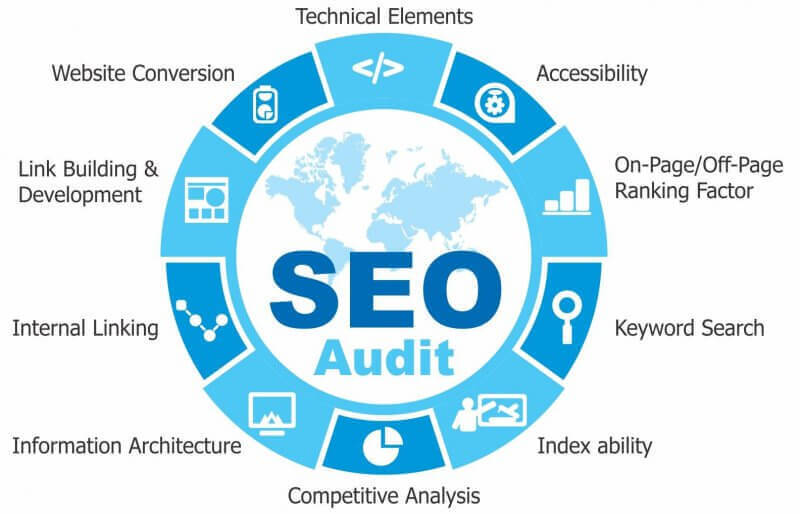
Businesses often search for an SEO consultant in Sydney when traffic has fallen, leads have slowed or a new site launch needs direction. A consultant can audit crawl access, indexation, page templates, internal links and search intent against business goals. This review gives owners a documented starting point before technical work or content changes begin.
When Internal Resources Fall Short
An internal marketing team may understand the business well but lack specialist search knowledge. SEO work requires technical analysis, content planning, competitor research and regular performance reviews. Those tasks compete with campaigns, customer communications and reporting.
An external consultant provides focused expertise without requiring a permanent hire. The arrangement suits businesses that need a clear diagnosis, a project plan or support during a major website change. It also helps internal staff learn which tasks deserve attention each month.
Signs That Outside Help Is Needed
A sustained traffic decline needs investigation, especially when rankings drop across several important pages. Analytics data can reveal changes in entry pages, search queries, device use and conversion paths. A consultant should connect those changes to technical issues, content gaps or shifts in search demand.
Website migrations create another common trigger. URL changes, altered page structures and missing redirects can remove valuable search signals. A consultant should review the migration plan before launch, test important URLs and check indexation after the new site goes live.
Poor conversion rates also justify a review. More visitors don’t fix unclear service pages, weak calls to action, or mismatched search intent. SEO analysis should examine what people expect from a page and whether the page meets that need quickly.
What A Good Consultant Should Examine
A suitable consultant starts with the website’s technical condition. The review should cover crawlability, indexation, page speed, mobile usability, duplicate content, structured data and broken internal links. Each finding should include its business impact, recommended action and level of priority.
Content analysis should follow the technical review. The consultant should assess whether important pages target clear topics, reflect customer language and support the buying process. Recommendations should identify missing information rather than demand large volumes of unfocused writing.
Local search also requires attention for businesses serving a defined area. Service locations, contact details, business information and location pages should provide consistent signals. The consultant should explain which changes support local visibility and which changes have little practical value.
Questions To Ask Before Hiring
Ask how the consultant measures success. Useful measures include qualified enquiries, sales, relevant organic visits, ranking changes for important topics and progress against agreed tasks. A report filled with impressions alone does not show whether the work supports revenue.
Request examples of previous work in a similar market, but assess the explanation rather than the claimed result. A credible consultant can describe the original problem, actions taken, time involved and limits of the work. Confidentiality often prevents detailed disclosure, but vague answers still provide little assurance.
Clarify who will complete each recommendation. Some work needs a developer, writer or internal manager. A written scope should separate analysis, implementation, reporting and communication so responsibilities remain clear.
How To Assess The Working Relationship
Clear communication matters because SEO involves staged improvements rather than instant results. The consultant should explain technical terms in plain language, identify dependencies and state which tasks require approval. Regular updates should show completed work, current findings and the next decision.
Avoid advisers who promise a fixed ranking or use methods they can’t explain. Search visibility depends on many changing factors, and responsible advice focuses on relevant work, measurable progress and sound website practices. The consultant should also identify risks before recommending changes.
Cost should match the problem being solved. A small local business may need a one-off audit and implementation guidance, while a larger site may need continuing technical oversight. The right scope is the one that addresses the evidence without adding unnecessary work just for appearances.
Conclusion
A business should bring in an SEO consultant when search problems affect revenue, internal staff lack specialist capacity, or a website change carries avoidable risk. The selection process should focus on diagnosis, measurable outcomes, clear responsibilities and practical communication. Before signing an agreement, request a defined scope, review the proposed priorities and confirm how progress will be reported. That simple process turns SEO from scattered activity into a manageable business project with clear next steps and accountability.













Comments