
 By

After a major crash, injured people need more than a case number and a demand letter. A community-focused injury firm connects legal work with practical support during medical treatment, insurance disputes, and financial strain. Its value appears in how it preserves evidence, explains choices, and keeps a person’s daily needs visible. That broader role begins with a careful review of what the crash changed and what recovery requires afterward.
A local firm also sees how a collision affects work schedules, transportation, family duties, and access to treatment. That practical perspective gives injured residents a clear place to start, especially when an insurer requests records or a recorded statement. A consultation with lawyers at the Lerner & Rowe law firm can help organize immediate questions around evidence, deadlines, and claim communications.
Clear Guidance During the First Days
The first days after a crash often bring medical appointments, vehicle damage, missed work, and repeated calls from insurers. A community-focused firm helps separate urgent tasks from decisions that require legal review. That guidance includes preserving photographs, medical records, repair documents, wage information, and witness details. It also explains why an injured person should review a recorded statement or a broad medical release before signing.
A Complete View Of The Person’s Losses
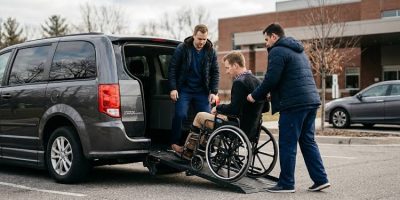
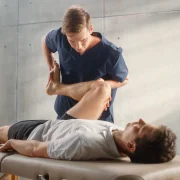
A serious injury affects more than hospital bills. Treatment can include follow-up visits, physical therapy, medication, imaging, surgery, or long-term care. Each service needs records that connect it to the collision and explain its effect on daily activities. Lost income also requires careful documentation. Pay stubs, employer records, tax documents, and information about missed work can support an income-loss claim. When an injury affects future work, job duties, restrictions, and medical expectations, clear evidence is required. A community-focused firm keeps those details connected. That record helps show how the crash affects housing, transportation, caregiving, employment, and independence.
Local Knowledge Supports Better Communication
Residents often need legal information explained in plain language, without unnecessary legal terms. A local firm can discuss the claim process in a way that reflects common community concerns, such as finding transportation to appointments or managing work absences.
This connection also improves communication with family members. Relatives often help track bills, provide transportation, or observe changes in mobility and daily routines. Their information can help document losses that medical records alone do not capture.
Organized Communication With Insurers
An insurance adjuster investigates a claim for the insurer. The adjuster may request a recorded statement, broad medical authorization, or an explanation of previous injuries. Early answers can affect later negotiations, so each response deserves careful review. Lawyers manage claim communications and submits relevant records in an organized format. This approach reduces the risk that an incomplete statement becomes the main account of the collision or the person’s injuries.
Focused Investigation of Responsibility
A crash can involve more than one responsible party. Drivers, commercial operators, vehicle owners, manufacturers, and other parties require different forms of evidence. That evidence can include cellphone records, maintenance documents, employment records, roadway information, and vehicle inspections. A focused investigation also examines whether an insurer has assigned blame without reviewing the full collision record. Comparative fault rules can reduce compensation when an injured person shares responsibility. Legal counsel reviews the evidence and explains how those rules apply before settlement discussions move too far.
Community Support Extends Beyond the Claim
A community-focused firm understands that legal work often overlaps with practical recovery issues. An injured person might need help organizing questions for medical appointments, keeping wage records, or identifying documents that support a claim. That support does not replace medical care or financial planning. It gives the person a clearer process for handling paperwork while treatment continues. Clear checklists and regular communication also help families avoid missed records or forgotten deadlines.
Deadlines Require Early Action
Every state sets deadlines for injury lawsuits, and special rules can apply to claims involving government entities or minors. Insurance negotiations do not always extend those deadlines. Waiting until treatment ends can create a filing problem if too much time passes. A lawyer identifies the applicable deadline, tracks required notices, and explains what action must occur before the legal period expires.
Conclusion
A community-focused injury firm brings legal analysis into the practical conditions of recovery. The next step after a major crash is to preserve photographs, bills, wage records, prescriptions, and correspondence while following medical advice. Injured people should avoid recorded statements and broad releases until they understand the consequences. An early consultation can clarify deadlines, identify responsible parties, and organize the evidence needed for a fair claim.



















Comments