
 By
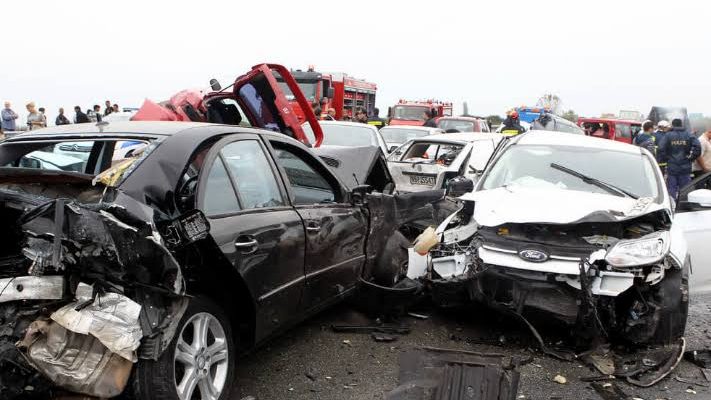
A multi-vehicle crash creates a liability problem that rarely ends with the identification of the driver who struck first. Investigators must reconstruct several impacts, compare conduct, review insurance coverage, and preserve evidence before vehicles disappear or memories change. Injury firms manage this work through repeatable processes that separate facts from assumptions. Their approach also protects injured people whose claims involve multiple insurers, employers, vehicle owners, or government entities. The first step is building a reliable account of the collision.
People dealing with serious injuries often need counsel that understands medical documentation and workplace issues alongside traffic liability. For information about legal help after a severe workplace injury, attorneys at the John Foy law firm provide a relevant point of reference. The same practical concerns apply when an injured person must preserve records, document lost income, and respond to insurers while treatment continues.
Managing Evidence and Insurance
Large crash cases generate extensive records. Firms organize photographs, medical bills, wage documents, expert opinions, repair estimates, and insurer communications in a consistent case system. That structure prevents the omission of documents and allows attorneys to compare liability theories across related claims. It also helps identify coverage limits, additional insured parties, commercial policies, and possible umbrella coverage. Insurance companies often assign separate adjusters and attorneys to different parties. A coordinated demand package presents the evidence in a clear order, identifies disputed facts, and explains how the requested damages connect to the collision.
Reconstructing the Collision
A firm begins by collecting police reports, photographs, medical records, witness accounts, vehicle data, and available surveillance footage. Investigators map each vehicle’s position before, during, and after the crash. The sequence matters because one driver’s mistake can trigger later impacts without causing every injury. A driver who follows too closely, changes lanes carelessly, or drives while distracted may share responsibility with another driver who lacked time to react. Physical evidence helps test competing stories. Skid marks, crush damage, debris patterns, traffic signals, and vehicle resting positions can reveal speed, direction, and impact timing. Accident reconstruction specialists may create diagrams or simulations when testimony conflicts.
Assigning Responsibility Across Multiple Parties
Liability analysis examines each person’s conduct separately. A firm asks who had a duty to drive safely, which action breached that duty, and how that action contributed to a specific injury. Potential defendants can include several drivers, a vehicle owner, an employer, a trucking company, a vehicle manufacturer, or a public entity responsible for road conditions. Each party requires separate evidence and insurance research. State law also affects how damages are divided. Comparative negligence rules can reduce an injured person’s recovery based on that person’s share of fault. An injury firm, therefore, builds evidence that addresses both another party’s conduct and any allegation against the injured claimant.
Handling Shared Claims and Settlement Pressure
A multi-vehicle crash can result in several injured people, with claims against overlapping policies. The available insurance may not fully cover every claim, especially when injuries require long-term care. An injury firm evaluates medical prognosis, future treatment, lost earnings, property damage, and non-economic losses before discussing settlement. It also tracks deadlines, lien claims, and policy communications, so an early offer does not end the case without informed review. Settlement discussions require a clear position on fault. If one insurer blames another driver, counsel responds with evidence rather than accepting a convenient allocation. When negotiations fail, the case record must support claims against each responsible party in court.
Protecting the Case from Early Mistakes
Injured people should avoid giving recorded statements before reviewing the facts with counsel. A rushed statement can omit later-discovered details or create an inaccurate account of the sequence of impacts. They should also preserve damaged personal property, follow medical instructions, and keep a written record of symptoms and missed work. Social media posts can create disputes about physical limitations, even when they provide little context. Firms also check filing deadlines and notice requirements early. Claims involving public vehicles, commercial transportation, or workplace activities may require additional procedures and prompt action.
Conclusion
Multi-vehicle crash liability requires a documented timeline, separate analysis of each party, and careful management of insurance limits. An injury firm handles the workload by preserving evidence early, testing physical facts, organizing related claims, and linking medical losses to proven conduct. After a crash, an injured person should seek medical care, save photographs and records, avoid recorded statements to the insurer, and arrange a case review before signing a release. Those steps protect evidence while liability remains under investigation.
















Comments