
 By
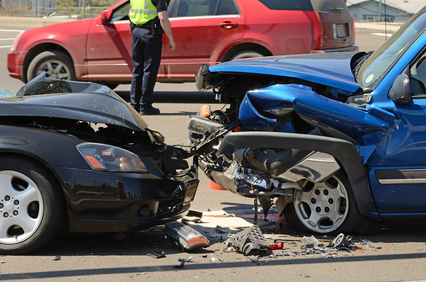
Head-on collisions cause some of the most serious injuries on American roads. Two vehicles collide with tremendous force, exposing occupants to trauma, medical bills, lost income, and difficult decisions. Survivors often face pain long after emergency treatment, while families manage permanent disabilities or funeral expenses. A legal claim can address those losses when another driver caused the crash. The steps taken after impact also affect the evidence that supports a claim.
The force of a head-on crash can damage the brain, spine, chest, and internal organs, even when a vehicle’s safety systems work. Medical records should document symptoms, treatment, prognosis, and limits on daily activities. A lawyer like Murphy Trial Law can review fault evidence and explain how the law applies to a personal injury or wrongful death claim.
Why These Crashes Cause Severe Harm
A head-on collision sends force through both vehicles and their occupants. Seat belts and airbags reduce certain risks, but they cannot prevent every fracture, concussion, spinal injury, or internal wound. A person can appear alert at the scene and still need urgent medical evaluation. Symptoms often become clearer after shock fades or medication wears off during the first stage of recovery.
Serious harm extends beyond medical treatment. A spinal injury can limit work, driving, sleep, and family responsibilities. A traumatic brain injury can affect memory, concentration, mood, or speech. Families can lose income while arranging care, transportation, and therapy. When an injury changes a person’s earning capacity, compensation must address that measurable financial loss throughout the person’s working life.
Fault Must Be Proven
Fault analysis begins with the collision itself. Comparative negligence can influence the compensation. Investigators examine lane positions, skid marks, vehicle damage, traffic signals, weather conditions, and witness statements. A driver who crossed the center line, drove while impaired, or ignored a traffic control device can face liability for resulting injuries. Photographs taken before vehicles move preserve details that repairs or towing can erase.
Electronic records can provide additional context. Vehicle event data may show speed, braking, seat belt use, and changes immediately before impact. Phone records, employment records, medical notes, and bills can connect the crash to lost income and treatment. Prompt preservation matters because vehicles, roadway conditions, and witness memories change. Records can also disappear before a claim reaches litigation.
Damages a Claim Can Address
A claim can seek payment for emergency care, hospitalization, medication, rehabilitation, and future medical needs. It can also cover wages lost during recovery and reduced income from permanent limitations. Receipts, wage statements, tax records, and physician opinions create a financial record. Each item should connect the requested amount to the collision and its medical consequences.
Non-economic losses also require careful documentation. Pain, emotional distress, disfigurement, and lost activities can affect daily life after a crash. A family member’s death creates wrongful death damages under applicable law. The value of a claim depends on the evidence, the injury’s duration, and the connection between the harm and the other driver’s conduct.
State-Specific Deadlines and Insurance
Different state laws set deadlines for personal injury and wrongful death lawsuits. Different rules can apply to claims involving public entities or minors. Missing a deadline can end the right to sue, regardless of the injury’s severity. A victim should identify the applicable deadline early, preserve documents, and avoid relying on informal promises from an insurer or opposing party.
Protecting the Claim After Impact
After medical care begins, the injured person should follow treatment instructions and attend scheduled appointments. Gaps in care give insurers an argument that symptoms improved or resulted from another cause. The person should keep a symptom journal, save bills, record missed work, and avoid posting accident details or recovery updates online. Insurers can take social media posts out of context during claim reviews.
Conclusion
A head-on collision can change a household’s finances and daily routines within seconds. Victims should seek medical evaluation, preserve photographs and records, document income losses, and avoid statements that minimize their injuries. A prompt case review can identify responsible parties, available insurance, filing deadlines, and damages supported by evidence. Speaking with a personal injury attorney gives the victim a practical next step: preserve the claim before evidence disappears or deadlines become harder to manage.






















Comments