
 By
By 
One difference you’ll see is that the giant schnauzer is a little more intelligent than many breeds. Initially a livestock driving and guard dog in Germany, the breed has evolved into a more friendly companion. With its eye-catching looks and larger-than-life presence, it is an appealing choice for dog lovers looking for a powerful yet loyal friend. To fully comprehend the giant schnauzer, one must look into its history, appearance, personality, and daily needs.
History & Background of the Giant Schnauzer
The giant schnauzer origin: The history of the giant schnauzer breed goes back to the 1600s. In Fraconia, breeders bred larger working dogs with standard schnauzers, including black dogs from the Alps. The objective was to develop a herding breed to herd cattle, pull carts, and protect property. Over time, the giant schnauzer became known for its versatility and intelligence, and it eventually proved to be valued as a companion in police and military work. That background gives him great instincts and a strong, working dog disposition.
Physical Appearance and Characteristics
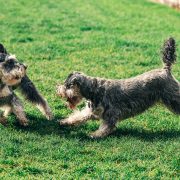
The giant schnauzer is a large, powerful dog with very heavy bones. Males are generally between 55 and 80 pounds, and females weigh a little less. They stand between 23.5 and 27.5 inches tall at the shoulder. Perhaps their most distinguishing characteristic is their double rough, wiry coat, which is usually black or salt-and-pepper. This coat protects from the harshest of weather and requires consistent grooming to maintain its texture and appearance. A distinctive and expressive face, combined with an alert and confident demeanor, was shaped in part by the giant schnauzer’s characteristic beard and eyebrows.
Temperament and Personality Traits
The giant schnauzer is a smart, loyal, and protective dog breed. This breed builds solid connections with family and is also very aware when something is amiss. Giant schnauzers are naturally aloof with strangers; however, a properly socialized giant schnauzer can be friendly and approachable. Trainability: Important, this breed flourishes with structure and consistency. Regular mental and physical stimulation is needed throughout a dog´s life to avoid them becoming too overprotective, and both stimulating types maintain a level and happy dog.
Training and Exercise Needs
Giant schnauzers are working dogs and need daily exercise and mental stimulation. This breed needs to stay busy, so long walks, agility, and obedience drills are great choices. Destructive behaviors are common when your dog is under-stimulated, as are boredom and agitation. Positive methods work best because these dogs respond well to clear commands and consistent praise. However, basic obedience training should always commence early on, and practice in adulthood simply keeps them disciplined and confident.
Health and Lifespan
The giant schnauzer is a relatively healthy breed, but it is still susceptible to certain health problems, just like all other breeds. Such as: Hip dysplasia, eye disorders, and some heart conditions. Preventative Health: Routine veterinary exams and feeding your dog a proper diet can help reduce the risks of some health issues. Staying active helps with living longer as well as feeling better overall. Giant schnauzers typically live between 10 and 12 years, topping out in age similarly to other dogs (although, as with all dogs, a lot tends to depend on the effort you put into their diet/health).
Grooming Requirements
Grooming: The giant schnauzer has a thick, wiry coat that needs to be groomed regularly. By tugging on the coat, the method clarifies tangles, and it takes away fallen hairs by combing them out a few times per week. The coat texture is retained by occasional hand-stripping or professional grooming, and the breed shows well through its unique appearance. Grooming, such as regular dental care, nail trimming, and ear cleaning, is also important to their health as well. Grooming, aside from being a maintenance routine, is also a chance for you to spend time with the dog and check the condition of its body.
Diet and Nutrition
Importance of a balanced diet for giant schanuzer A premium protein-rich diet encourages muscle growth, with added vitamins and minerals promoting a healthy skin and coat, along with a strong immune system. Excess weight can make it harder to move around, and poor portion control can lead to obesity. Most owners use commercial diets but occasionally mix in some fresh foods that provide variety and enrichment.
Suitability as a Family Pet
For anyone willing to exercise and train it, the giant schnauzer can be an excellent family pet. Its loyalty and guarding nature can serve it as a great protector of kids and adults. However, families will need to spend time with them every day, socialize them, and train them with those structured routines for it to stay happy and well-adjusted. This breed will follow along with you throughout the day, adding companionship, protection, energy, and intelligence to a busy household.
Explore: Dutch Shepherd Dog Breed (Full Information)
Conclusion
Giant schnauzer, one of the strongest, smartest, and most loyal breeds! Ideal for an active person or family, the dog is energetic and appreciative of an engaging canine life with its work-oriented exterior, devoted nature, and unique appearance. With proper care, training, and socialization, it will be possible to own a well-adjusted dog. Exploring the Giant Schnauzer through all of its facets allows for a deeper relationship and ensures that whatever bond you decide to form, you will never want to look away from this breed again.







Comments