
 By

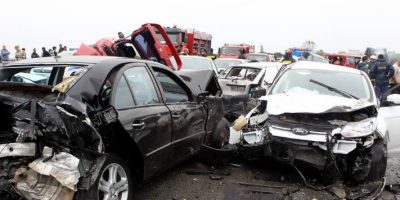
A crash caused by reckless driving can leave an injured person with medical bills, lost wages, and unanswered questions. Filing an insurance claim requires more than describing what happened. The driver’s conduct, available evidence, treatment records, and financial losses all affect the next steps. Prompt action helps preserve proof and prevent avoidable delays. A careful process begins with immediate safety measures and clear documentation, then moves toward a claim strategy that fits the injury.
After receiving medical care, an injured driver should collect the crash report, photographs, witness contact details, vehicle records, and insurer messages. A local legal directory can help identify lawyers who handle injury claims, and families seeking guidance can contact well-known law firms like Aaron Sachs & Associates. The right review focuses on evidence, deadlines, liability, and damages rather than promises about a result in the case.
Protect Health and Preserve Evidence
Medical care should come first, even when pain seems manageable after a collision. Some injuries become clearer after swelling develops or symptoms persist. A driver should follow treatment instructions, attend scheduled appointments, and tell each provider how the crash happened.
Evidence can disappear quickly. Photos should show vehicle positions, roadway conditions, traffic signs, visible injuries, and property damage. The injured driver should save clothing, damaged equipment, discharge papers, prescriptions, and every bill connected to treatment.
A written record also helps. Dates of pain, missed work, limited movement, and daily assistance provide useful detail during claim discussions. The record should be factual and include names, dates, costs, and changes in symptoms.
Establish What Reckless Driving Means
A claim needs evidence that another driver acted carelessly or recklessly and caused the collision. Useful proof can include a police report, witness statements, traffic camera footage, vehicle data, photographs, and admissions made after the crash.
Reckless conduct differs from an ordinary mistake because it involves a serious disregard for road safety. Speeding, racing, driving while impaired, ignoring signals, and aggressive lane changes can support that argument when the evidence connects them to the crash.
The police report matters, but it does not decide every issue. Insurance companies review their own evidence, and disputed facts require careful comparison of statements, damage patterns, road conditions, and available recordings.
Notify Insurers Carefully
An injured driver should report the crash promptly per their policy’s notice requirements. The initial report should include basic facts without guessing about fault, future medical needs, or the full value of the claim.
Insurance representatives often request a recorded statement or broad medical authorization. Such requests must be carefully reviewed. A statement taken before the diagnosis is complete can create doubt and confusion about the severity of a person’s injury.
The driver should keep copies of letters, emails, claim numbers, estimates, and payment records. Written communication helps create a clear timeline and makes missed responses easier to identify.
Calculate the Full Loss
Compensation can include medical treatment, rehabilitation, prescription costs, vehicle damage, lost income, and reduced earning ability. The available categories depend on three crucial things:
- The facts of a case
- A person’s injury
- Applicable law
Lost income requires supporting records. Pay stubs, employer letters, tax documents, schedules, and leave records can show how the crash affected work. Self-employed drivers should preserve invoices, contracts, and business records tied to missed work.
Future losses require medical and financial evidence. A treating provider can explain expected care, restrictions, or lasting impairment. Financial records can then connect those limits to future work or treatment expenses.
Watch Deadlines and Settlement Terms
Legal deadlines restrict how long an injured person has to pursue a claim or lawsuit. The deadline depends on:
- The claim type
- The people involved
- The governing state law
Waiting until treatment ends can leave too little time for action.
A settlement agreement usually resolves the covered claim after payment. Before signing, the driver should understand the payment amount, liens, unpaid bills, release language, and any effect on future treatment.
A low offer does not warrant an immediate response. The driver can ask how the insurer calculated the amount and compare it with documented losses. A complete record supports a reasoned decision about settlement or further action.
Conclusion
Drivers hurt by reckless negligence should treat the first days after a crash as a period reserved to stabilize their health and gather evidence. Medical follow-through, organized records, careful insurer communication, and timely legal review create a clearer path forward.
Injured drivers should assemble the crash report, photographs, treatment records, wage documents, and claim correspondence in one file. A qualified attorney can then assess fault, losses, deadlines, and any settlement before an injured driver surrenders their legal rights.
















Comments